
How Anti-Fatigue Mats Work. The Science Behind Standing Comfort
Fighting Fatigue with Smarter Flooring
For workers who spend hours on their feet, discomfort and fatigue can feel inevitable. Whether in retail, manufacturing, healthcare, or hospitality, extended periods of standing on hard floors can cause muscle strain, poor circulation and lower back pain.
Anti-fatigue mats offer a proven solution, blending ergonomic design with scientific research to support better posture, comfort and productivity.

How Anti-Fatigue Matting Works
Explained by ergonomics expert James M. Kendrick in the Occupational Health & Safety Journal (April 1999), anti-fatigue mats are engineered to make the body sway gently and imperceptibly, promoting subtle calf and leg muscle movement. This keeps blood flowing freely, preventing it from pooling in the legs, a major cause of worker fatigue.
When employees stand on hard surfaces for hours, blood flow decreases, making muscles and joints stiff and sore. Over time, this can lead to problems such as plantar fasciitis, excessive flattening of the feet and lower back pain.
The cushioning of an anti-fatigue mat encourages micro-movements that counteract these effects. Workers who stand on mats experience fewer injuries, less fatigue and improved comfort, all of which contribute to better compliance with health and safety standards.

Scientific Support
Early studies, such as those by Morgora (1972) and Boussemann et al. (1982), demonstrated a strong connection between prolonged standing and lower back pain. Subsequent research by Dr. Mark Redfern and Dr. Don Chaffin at the University of Michigan (1988) and Stephan Konz & Paula Hanninen at Kansas State University (1994) this scientific support can elevate and help confirmed that anti-fatigue mats significantly reduce discomfort compared to hard or overly soft surfaces.
More recently, Prof. Redha Taiar of the University of Reims in France (2011–2017) conducted biomechanical studies showing that using anti-fatigue mats reduces muscle pressure and strain during standing work. His research highlighted that mats provide a two-pronged benefit, improving posture and lowering the risk of long-term musculoskeletal disorders.


Finding the Right Balance
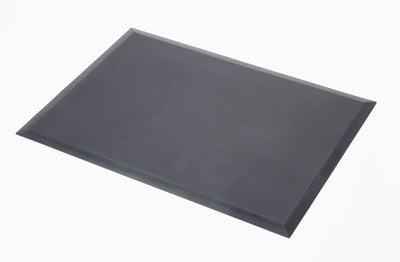
Not all mats are created equal. Anti-fatigue mats that are made with too much cushioning can backfire, overworking muscles in the same way jogging on soft sand does. The goal is balance, enough support to reduce strain, but enough firmness to keep muscles active and engaged.
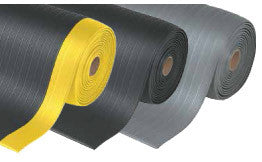
That is why Footfall's anti-fatigue mats, are designed with specific formulations that provide optimal fatigue relief without excessive softness. This smart balance translates to greater comfort, productivity and satisfaction for workers who stand for four hours or more each day.

Pressure Mapping
- Studies using pressure-mapping technology show the dramatic difference anti-fatigue mats make.
- With a mat: Pressure is evenly distributed across the feet, reducing strain on key points.
- Without a mat: Pressure peaks sharply under the heel and forefoot, increasing discomfort and fatigue risk.
- The data clearly supports the value of anti-fatigue matting in improving ergonomic safety.

The science is clear, standing fatigue is not just uncomfortable, it is a health and productivity issue. Anti-fatigue mats help by stimulating blood flow, improving posture, and reducing physical stress.
For any business committed to worker wellbeing, investing in quality anti-fatigue matting is a simple yet powerful way to create safer, healthier, and more productive workplaces.